

What is happening in the Philippines?
People in the Philippines are facing disaster after disaster.
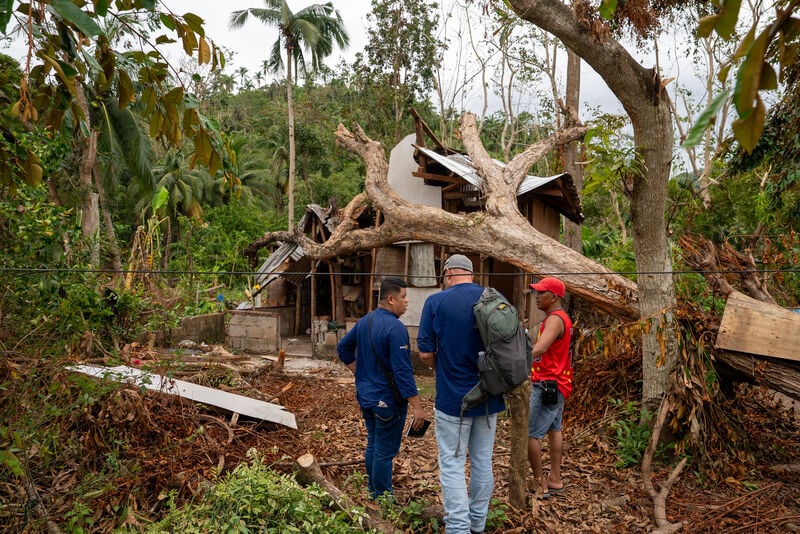
It is already an exceptionally challenging typhoon season, with six major storms causing widespread destruction in less than a month. Hundreds of thousands of people have had to flee their homes.
The Bicol region was hit particularly hard, with flash floods and landslides devastating communities already vulnerable from previous disasters.
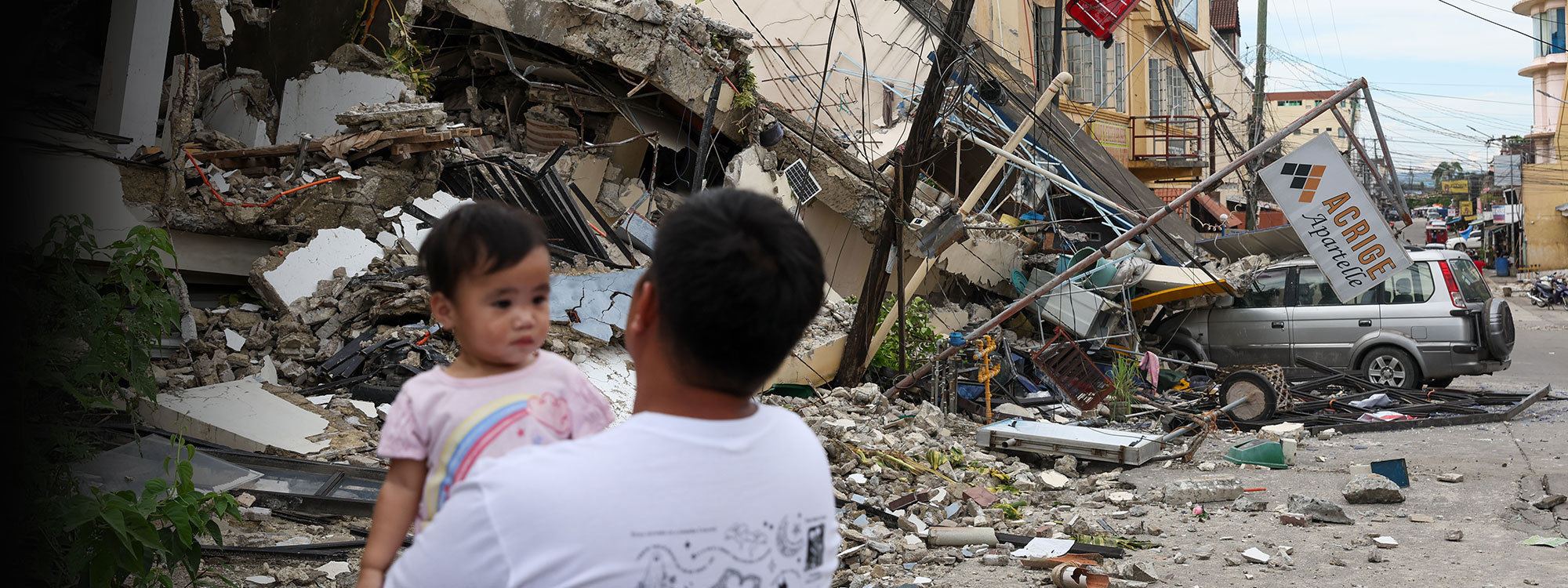
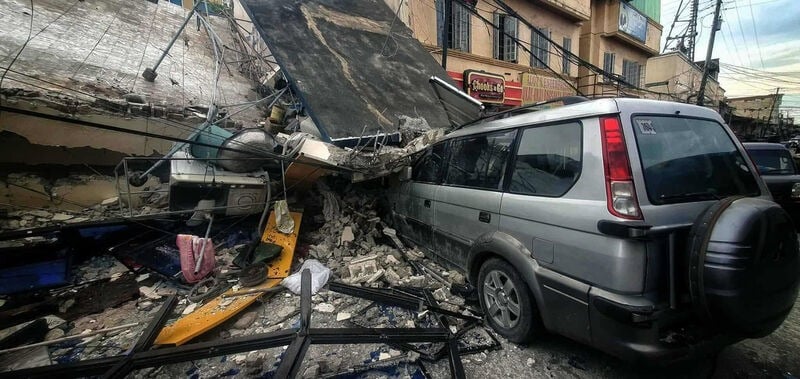
Now devastating earthquakes have damaged and destroyed more homes in large parts of Cebu and Mindanao.
Thousands of people are displaced from their homes, and many are still sleeping outside – too afraid to return to their damaged homes because of ongoing aftershocks.
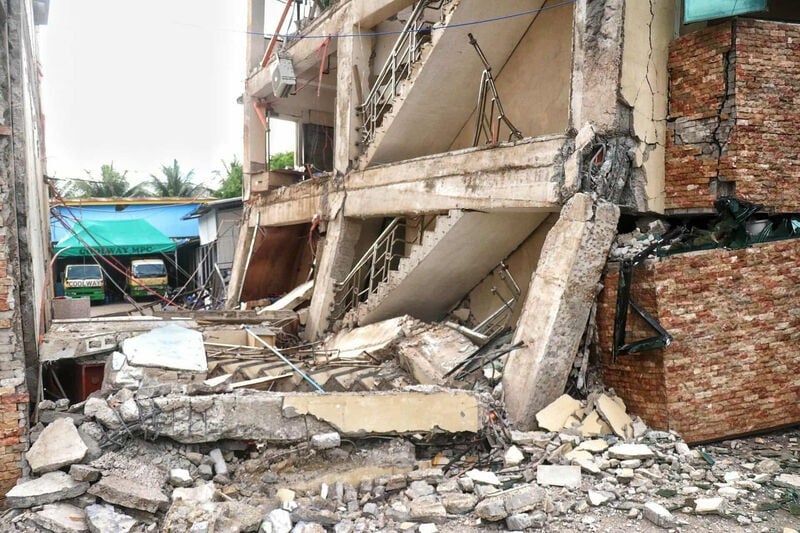
Buildings, roads, and bridges have been damaged, and power and communication lines are down. A state of calamity has been declared for the whole of Cebu province.
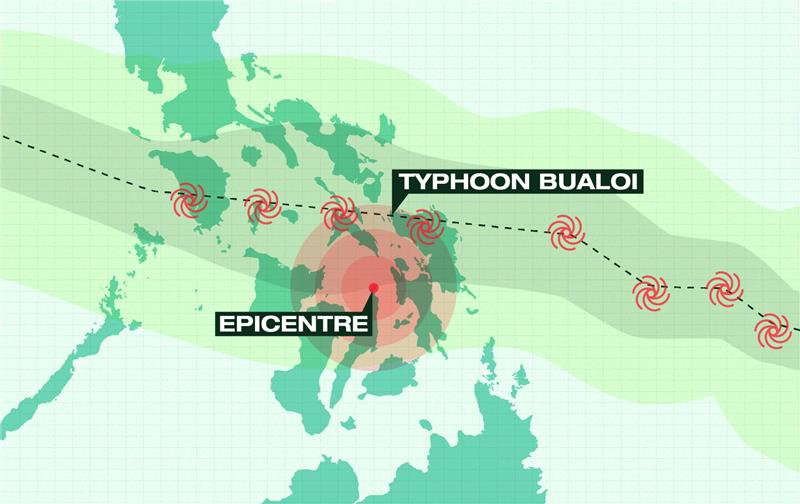
ShelterBox is responding in the Philippines, providing emergency shelter to people after the deadly 6.9 magnitude Cebu earthquake and Typhoon Bualoi, that brought heavy flooding to rural areas.
Our teams are working with local Rotary clubs and partners to understand if more people will need support after this latest disaster.
What is ShelterBox doing?
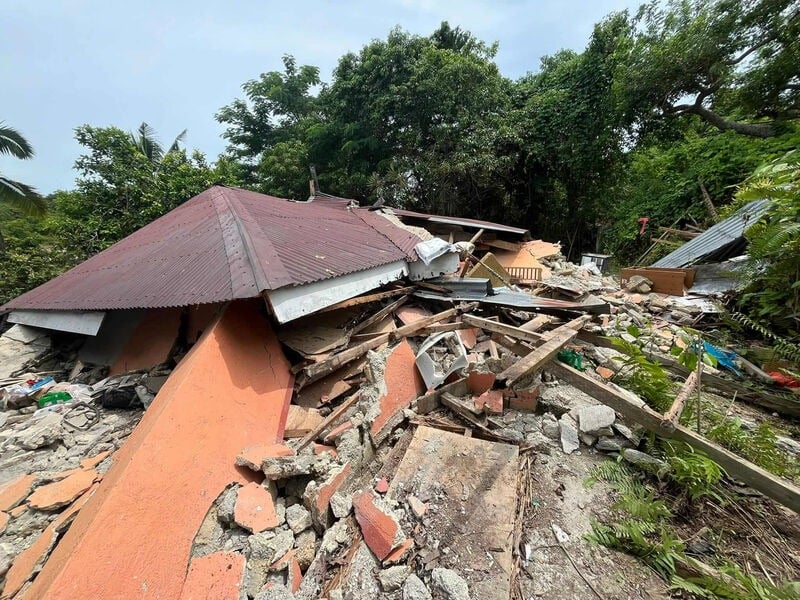
ShelterBox is already responding in the Philippines after Typhoon Bualoi. We plan to support thousands of people on Masbate island, who have lost their homes with emergency shelter and essential items. This includes shelter repair kits with tarpaulins, tools, and materials to make damaged homes watertight.
We may also provide solar lights to restore a sense of safety and normalcy, mosquito nets to protect families from insect-borne diseases, and blankets to help people stay warm and dry.
Depending on local needs, we’re considering supplying corrugated iron sheets for roof repairs and offering cash assistance so families can buy materials or hire labour to rebuild.
We are also responding to the deadliest earthquake in the Philippines in over a decade, which struck just days after back-to-back typhoons and heavy flooding.
We’ll be supporting thousands of people with emergency shelter and essential items. With a team permanently based in the Philippines and emergency shelter supplies pre-positioned in Cebu, we’re planning to respond quickly and effectively.
We have a team in Cebu, speaking to affected families and assessing the damage to understand what people need most.
Emergency shelter and essential items are ready in our Cebu warehouse, enough to support thousands of people. This includes tents, shelter repair kits, solar lights, and mosquito nets.
We know needs differ across the country, with rural communities needing different support to people in urban areas.
Why this response matters
This year’s typhoon season is more intense than usual, and it’s only just begun.
Super Typhoon Ragasa (Nando), the strongest storm of the year, made landfall in early September. More extreme weather followed – including monsoon rains and Typhoon Bualoi (Opong). Strong winds, torrential rain, flash floods, and landslides have damaged or destroyed tens of thousands of homes.
It’s only the start of typhoon season and more extreme weather is expected. These strong winds and heavy rains will complicate our response.
Melinda Marie Buensuceso, Programme Manager, ShelterBox Operations Philippines, notes, “people here are facing disaster after disaster. Homes have been damaged or destroyed, and families are sleeping outside, afraid of what might come next. In the Philippines, we see this far too often – earthquakes, typhoons, floods – sometimes before communities have even had a chance to recover from the last disaster. That’s why we store emergency aid supplies in Cebu, and have a team based here permanently.”
Why is this year’s typhoon season so intense?
A weather pattern called La Niña is starting to form, which brings more storms and heavier rain. At the same time, warmer ocean waters – partly due to climate change – are giving typhoons extra fuel to grow stronger and faster.
The latest earthquake in Cebu comes as the country is already reeling from a series of disasters.
ShelterBox has responded to disasters of this scale in the Philippines before – including Typhoon Rai in 2021 and Tropical Storm Trami in 2024. With our experience, local presence, and pre-positioned aid, we’re ready to help families rebuild and recover.
Who has been affected?
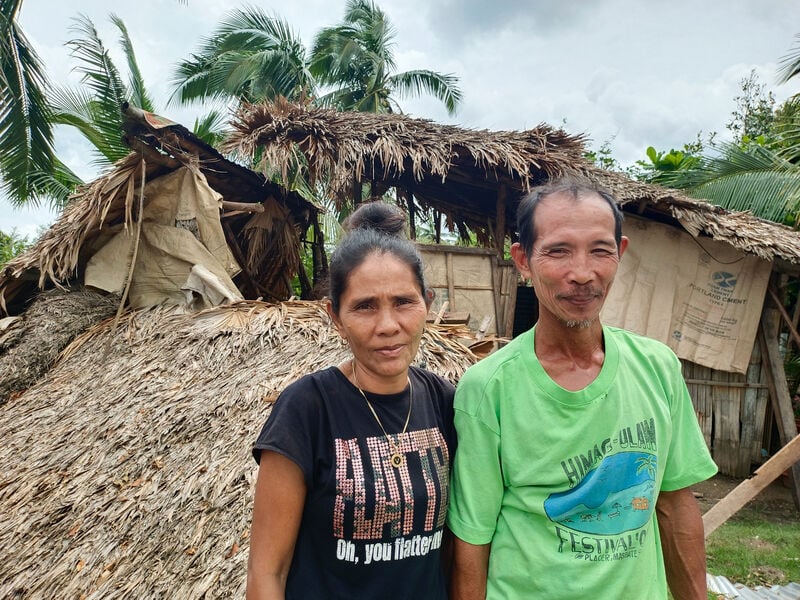
Whilst conducting needs assessments on Mastabe island, the ShelterBox team met Rodulfo and Mary, who explained the impact that the Typhoon has had on their lives.
“On the night of the typhoon, my wife and I stayed at home to protect our belongings, but we made sure to evacuate our child beforehand. Staying at home allowed us to save a few items, but we still lost several essentials—like jerry cans, blankets, and our child’s school supplies and uniforms.
Around 4:30 AM, as the winds intensified, our house collapsed. Many of our belongings were blown away, especially since we live near the coastline.
“Life here has always been challenging, and Typhoon Bualoi made things even harder. This was the strongest typhoon I’ve experienced in my 21 years.”
How can I support people facing crisis?
Donate today – you can help us bring hope and relief to those who need it most. Every donation counts. Giving helps restore dignity, safety and hope to those who have lost everything.
Learn how we spend your money here.
You can also stay informed, and share on social media to raise awareness about the crisis people are facing in the Philippines.