Klimat och konflikter
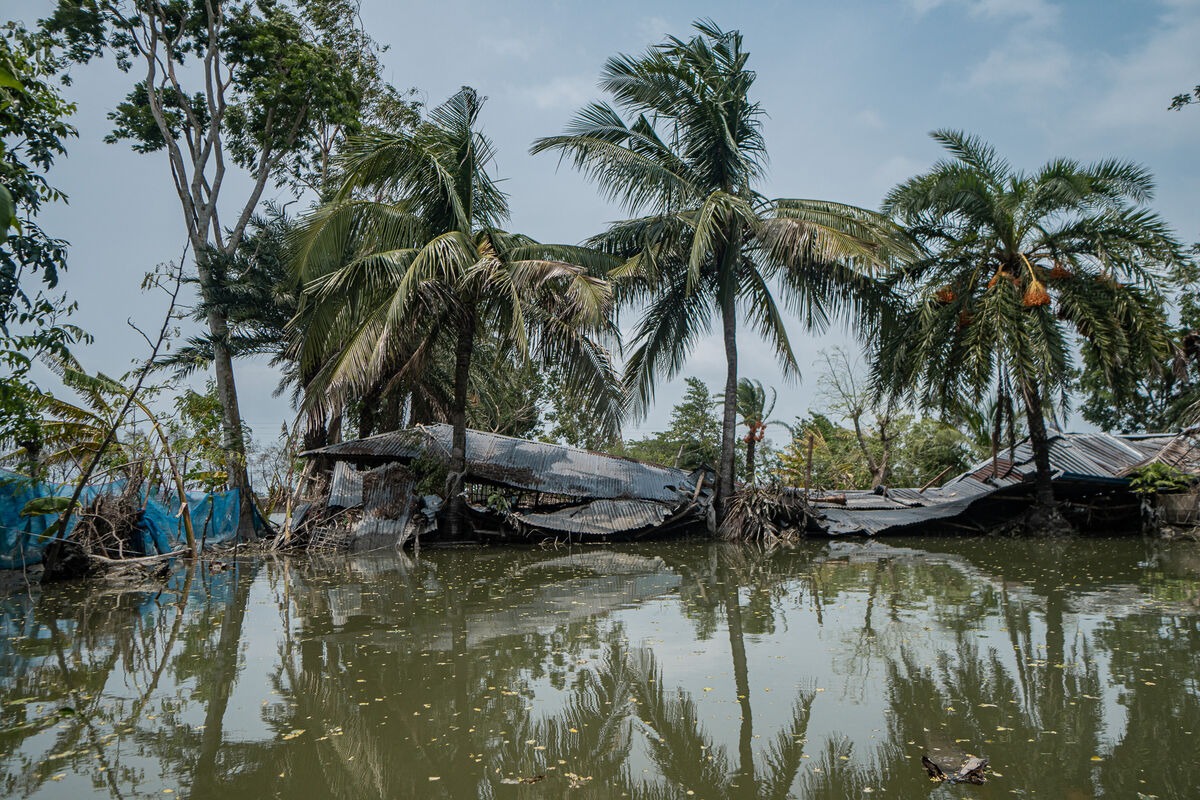
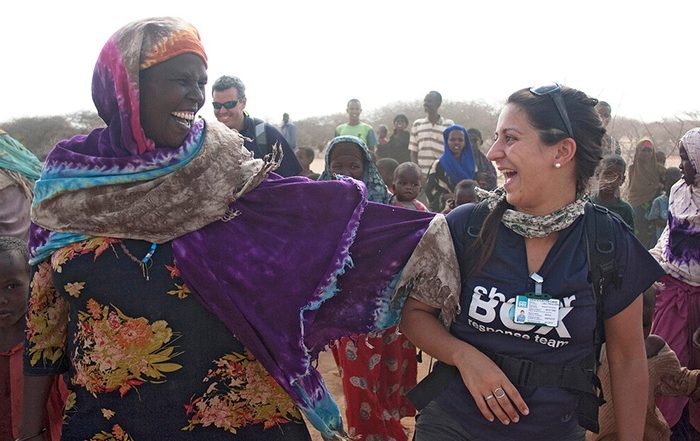
Miljontals människor förlorar sina hem på grund av klimatförändringar och konflikter. Vi är redo att ge människor det livsförändrande stöd de behöver, när de behöver det.
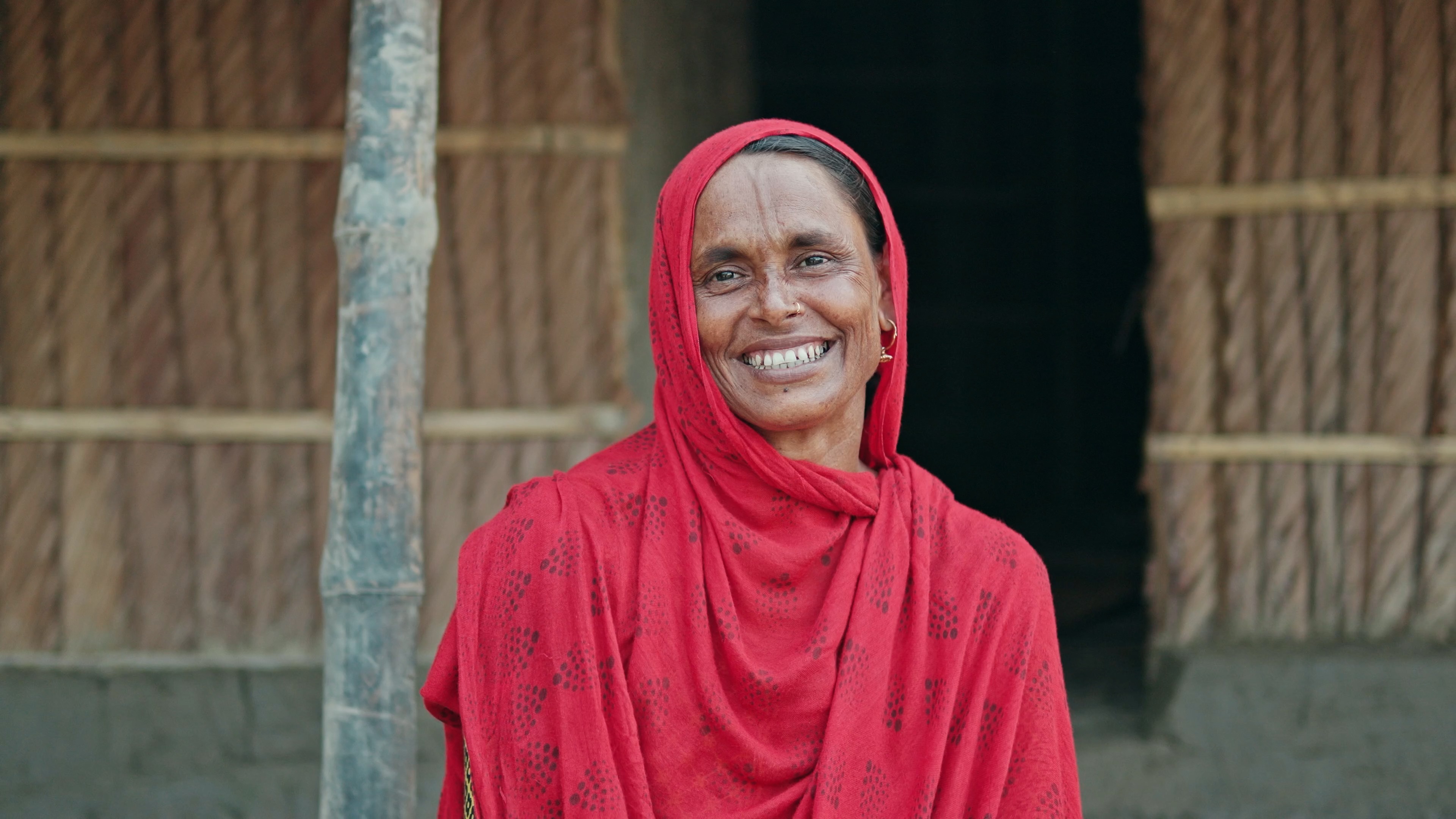
For the one year anniversary of Cyclone Remal in Bangladesh, we look back at Resham Begum’s story of strength and resilience.
Cyclone Remal left devastation in its wake. For Reshma Begum, it was yet another chapter in a life shaped by storms – each year, she struggled to survive, after each disaster, she lost what little she had and was forced to start over again. The fear of losing her home haunted her, as she had no means to rebuild or secure a stable income.
Reshma Begum, a 35 year old single parent, lived alone with no proper shelter. She owned a small piece of land inherited from her parents, where she resided with her daughter’s child. Struggling to make ends meet, she worked in nearby households, earning a small income and often relying on food from others for survival.
Reshma’s struggle is not unique. Across the world, hurricanes and cyclones are becoming more intense and destructive, fuelled by climate change. Warmer ocean temperatures provide more energy for storms, leading to stronger winds, heavier rainfall, and increased flooding.
Scientists have observed that while the number of hurricanes and cyclones may not be increasing, their intensity is worsening. More storms are reaching Category 4 and 5, bringing catastrophic damage to vulnerable communities.
For Reshma, this meant living in constant fear. Each year, she braced for impact, knowing that once the storm passed, she would have to rebuild.
“When the storm came, my little hut – made of golpata leaves and mud – shook violently. It felt like my only safe space was turning into ruins,” she recalled. “I feared that I would lose everything, including the only shelter I had for my grandchild. I went to the road with my grandchild with just one piece of clothing to wear. At that moment, I didn’t know what to do or where to go! The wind roared, and I wondered if there was any meaning left in struggling to survive.”
After surviving ten days in a cyclone shelter, Reshma returned to find her home destroyed. With nowhere to go, she relied on the kindness of neighbours, sleeping on verandas or under the open sky.
Our partners, Uttaran’s field staff identified her as one of the most affected, and soon, she received tin, bamboo, strong ropes, and polythene sheets – materials that helped her rebuild her home.
“We received many useful and high-quality materials for rebuilding – tin, thatch, bamboo, strong ropes to secure the structure, and polythene to cover the hut,” she said.
Determined, Reshma took out a loan, monitored construction, and made sure the home was built to last. She said that without the support she received, it would not have been possible for her to take the step to rebuild her home.
Today, Reshma no longer fears the storm. Her home is strong. She is strong.
“I believe, with Allah’s will, this shelter will remain strong for 10 to 20 years,” she said. “I can’t describe how happy I am to have a place to live! I am deeply thankful to ShelterBox and Uttaran for their generosity.”
For years, each storm forced her into survival mode – always wondering if she would lose everything again. Now she has a home, where she feels safe, dignified, and secure. She no longer has to flee when a cyclone approaches. Now, she lives with pride, knowing that she finally has a place to call her own.
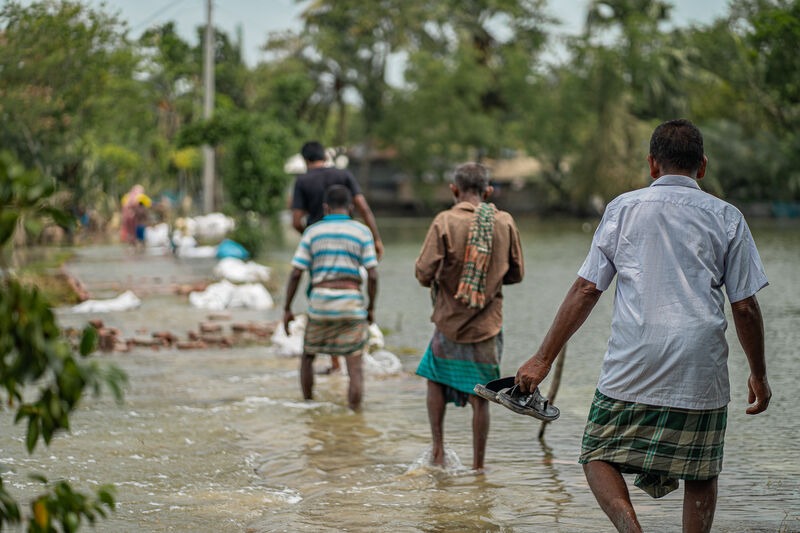

Reshma’s story is a testament to resilience, but it also highlights the urgent need for climate adaptation and disaster preparedness.
As storms grow stronger due to climate change, communities must be equipped with better infrastructure, early warning systems, and sustainable housing solutions.
Learn about cyclonesMillions of people in Bangladesh were affected by Cyclone Remal, which also triggered severe flooding across the country.
The storm was one of the most devastating to hit the country in recent years. With torrential rains and winds reaching 120 km/h (75 mph), it wreaked havoc on low-lying coastal communities. In addition to destroying homes, Cyclone Remal devastated livestock and livelihoods, submerging fields and obliterating fishing farms.
To support those impacted, ShelterBox partnered with the local aid organisation Uttaran to provide shelter for vulnerable families.
In addition to shelter assistance, we have also provided cash assistance, helping families transport essential items and hire local tradespeople to rebuild their homes.
Read about our response