

Wildfires are becoming more frequent and destructive, leaving lasting impacts on communities, wildlife, and the environment. Once a wildfire ignites, it can spread rapidly, consuming everything in its path and displacing families.
While some wildfires occur non-human activity, for example by lightning – most are caused by human activity. Discarded cigarettes, unattended campfires, and sparking powerlines can all lead to devastating fires. In one extreme case, a major wildfire in California was even sparked by a smoke bomb at a gender reveal party. According to research in the Science Journal, human-caused wildfires tend to burn longer and cause greater damage than naturally occurring ones.
Wildfires are also closely linked to climate change. Rising global temperatures and prolonged droughts create ideal conditions for fires to spread faster and become harder to control. As wildfires grow more intense, the need for disaster response and support for affected communities has never been greater.
Read on to understand how wildfires start, where they are most common, and how to mitigate their impact to protect people and the environment.
Stay informed on environmental disasters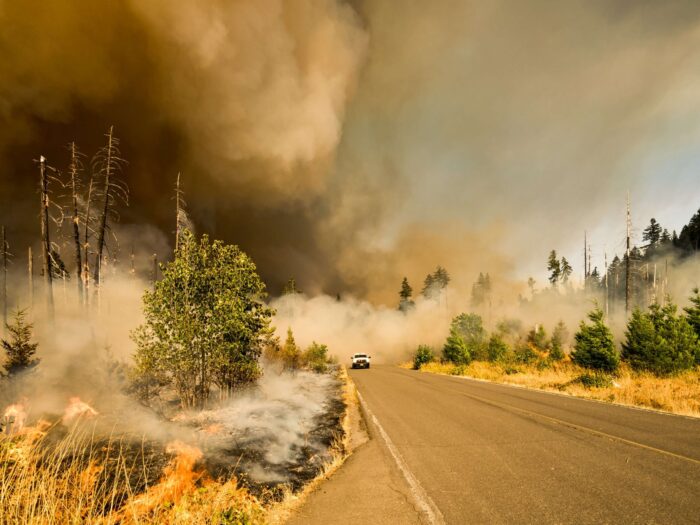
What is a wildfire?
A wildfire is an uncontrolled fire in an area of vegetation in rural areas. They are also known as wildland fires, rural fires or bush fires.
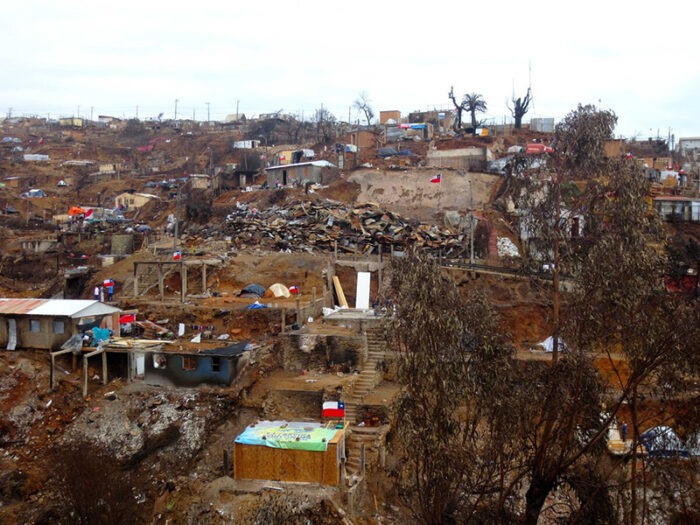
Wildfires can rapidly burn millions of acres of land and destroy everything – trees, homes, animals and humans – in their paths. Families and communities in rural, high-risk areas are in danger of losing their homes and having to flee to safety. Wildfires also have major health hazards, especially for people with existing respiratory problems.
What are the affects of wildfires on people and the environment?
The World Health Organization has reported that wildfire smoke contains a mixture of harmful pollutants that are hazardous when inhaled. Particulate Matter (PM2.5) from wildfire smoke is associated with premature deaths. It can cause and exacerbate diseases of the lungs and heart, brain and nervous system, skin, gut, kidneys, eyes, nose, and liver.
Wildfires also release a large amount of greenhouse gases into the environment. This impacts on climate change and makes weather conditions that can help lead to wildfires more likely. This includes heatwaves and droughts.

How do wildfires happen?
Wildfires are driven by three key elements: fuel, ignition, and weather conditions. In dry regions with little rainfall, vegetation like grass, branches, and leaves can become highly flammable.
A single spark – from a cigarette, powerline, campfire, vehicle, or even lightning – can ignite a fire. Once a wildfire begins, strong winds and dry weather can accelerate its spread, making it harder to control.
What causes wildfires?
The majority of wildfires (85-90%), are caused by humans. These are typically started by things like cigarettes and campfires, which aren’t put out properly.
Does climate change cause more wildfires?
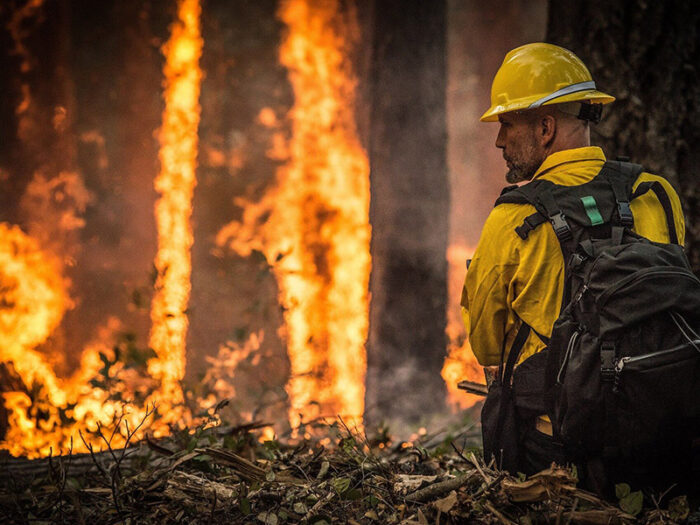
Climate change increases the occurrence and severity of wildfires.
Hotter weather, a result of climate change, leads to heatwaves. As a result forests and vegetation are drier and at a higher risk of catching fire and burning.
Climate change scientists are reporting more severe fires. Larger areas are burned because of the warming temperatures in the world. Also, wildfires themselves release gases that can contribute to climate change. This perpetuates a cycle of increased fire risk.
As rising greenhouse gas emissions are increasing droughts and heat, more catastrophic wildfires are expected in the future. In 2022, the UN Environment Program reported that wildfires are expected to increase by 14% globally by 2030, 30% by the end of 2050 and 50% by 2100. They could also affect previously untouched regions such as the Artic.
Climate change and disasters
Is a wildfire manmade or a natural disaster?
Wildfires are not natural. The majority are caused by human activity, and rising temperatures due to climate change are intensifying the scale and frequency of fires.
Read about why disasters like wildfires aren’t natural.
why aren't disasters natural?Wildfires can quickly become a disaster
Hazards like wildfires can be caused by natural occurrences like lightning strikes. However most are caused by human activity.
No matter how they start, wildfires have the potential to become a disaster quickly by causing widespread damage. They can displace people from their homes, or destroy livelihoods.
The decisions that we make as humans often determines whether a hazard like a wildfire develops into a disaster. Factors like where homes are built, living conditions, and how well-prepared governments and authorities are to respond to such events can all make a disaster more likely.
The UN has reported that wildfires disproportionately affect the world’s poorest nations. They can struggle to recover from their long lasting impacts – often because of lack of resources or support.
At ShelterBox, we avoid using the term ‘natural’ to avoid describing a disaster for this reason. We mustn’t overlook the role that humans have in a hazard becoming a disaster. We also shouldn’t assume that the outcome would be the same, or think there is little we can do to prevent it.

Where do wildfires occur?
There are many areas of the world prone to wildfires.
Australia is very prone to menacing bushfires. The country’s climate is generally hot, dry, and susceptible to drought. Bushfires tend to occur when light and heavy fuel loads in Eucalypt forests have dried out. This usually follows periods of low rainfall.
But wildfires are on the increase in other parts of the world too. In recent years severe wildfires have impacted many areas of the globe; including parts of North America, South America, Europe and the UK. It’s likely that they will appear in more areas as global temperatures warm up, and heatwaves become more common.
Recent wildfires
In 2024, wildfires drove the highest loss of the world’s forests globally.
In 2022 and 2023, wildfires ripped across Europe during one of the worst heatwaves on record.
In Spain, Portugal, Greece and France, wildfires burnt out of control. Many other European countries reported fires too. By August 2022 in the UK there had already been over 500 more wildfires than the whole of 2021. The majority were thought to be caused by human actions, particularly disposable barbecues.
2023 fires in particular caused the evacuation of thousands of people on the Greek islands of Corfu and Rhodes.
This followed severe wildfires in Canada that have destroyed hundreds of thousands of hectares of woodland. Thousands had to be evacuated from their homes. The smoke caused issues in Canada, the USA, and even had impacts in the UK. Australia and Chile also experienced large wildfires earlier in the year.
Heatwaves that contributed to these wildfires are greatly impacted by climate change. They are expected to become more frequent and severe.
Experts expect longer and earlier fires throughout 2025, due to rising global temperatures. With heatwaves and droughts making forest fires more likely, emergency response support remains essential to help those affected.
Learn more about heatwavesLA Wildfires
In January 2025, wildfires tore through Los Angeles.
In a gesture of solidarity with those affected and in support of Rotary club activities, the ShelterBox USA team provided blankets, solar lights, and personal bags to families living in an emergency evacuation shelter who have lost their homes and all their possessions to the fires.
FAQs: wildfires
Wildfires are most common in forest areas, areas with high grass levels and shrublands, they are particularly likely to burn in areas with drought and extreme heat.
One of the most effective strategies for preventing wildfires is removing one or more of the key elements: heat, oxygen, or fuel. There are several core recommendations related to wildfire prevention.
These include always checking weather and drought conditions before starting a campfire or smoking outdoors. Keep vehicles off dry grass, and ensure sparks stay away from flammable vegetation. Never burn anything when it’s windy or if local restrictions are in place. Staying informed about wildfire danger levels can help you take the right precautions to protect the environment and communities.
Climate change and rising temperature levels are intensifying the scale and frequency of wildfires.
Wildfires include forest fires – any unplanned fire occurring in a forest, grassland, or other natural ecosystem. Most of these fires are caused by human activity.
Wildfires devastate homes, wildlife, and natural ecosystems, causing severe harm to local communities and, in some cases, loss of life. Both people and wildlife suffer significant health consequences due to exposure to smoke and fire.
Wildfires can also contaminate water systems, degrade soil fertility, and contribute to rising temperatures and climate change. As climate change intensifies, wildfires are becoming increasingly frequent and destructive.
Although exact estimates are hard to tell, wildfires have doubled since the 1990s, due to climate change. Learn more about the impact of climate change.