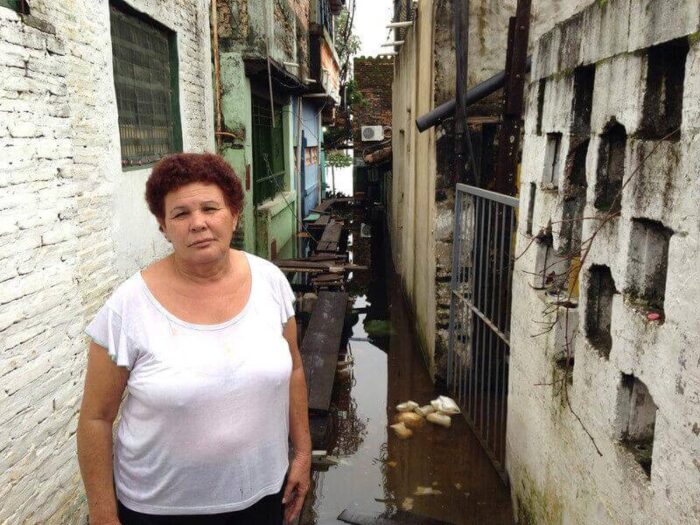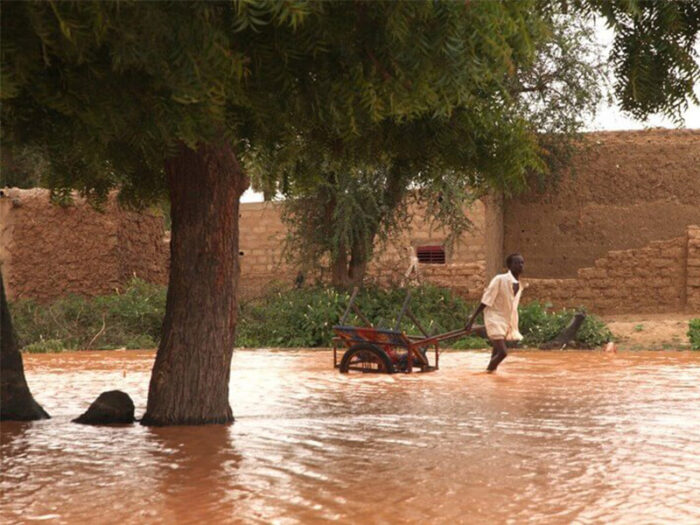

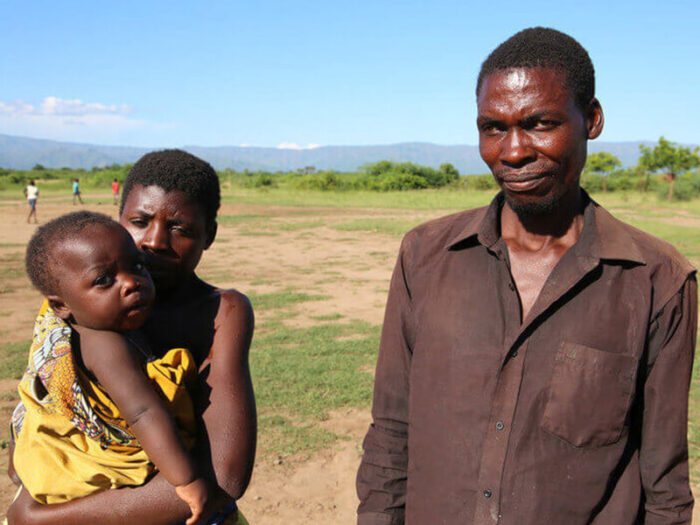

"The rains were so heavy – there was so much water flooding our house. Then it just completely washed away. So we had to run. I thought that we would die because I had to pick up my children on my shoulders. The water was almost at my neck level."
Hide
‘We had to run’: Petro’s story
Petro and his family were forced to flee their village in Malawi after Cyclone Idai destroyed their home.
“The rains were so heavy, there was so much water flooding our house, then it just washed away. Completely washed away. So we had to run.
The next thing I thought was that we would die because I had to pick up my children on my shoulders. The water was almost at my neck level.”
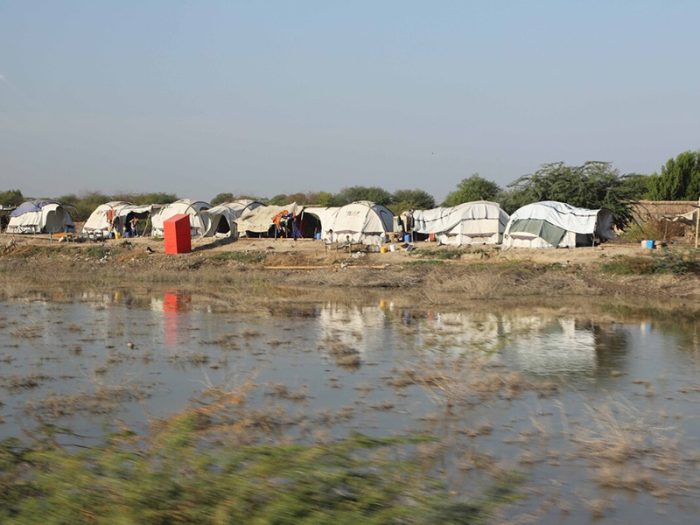
Flooding and heavy rains have increased by more than 50% this decade; all over the world, families like Petro’s are struggling with the devastating effects of flood-related disasters.
Donate today